AI-Powered Research
Validate Ideas.
Solve Real-World Problems.

We are developing a low-cost, event-driven acoustic sensing concept for persistent maritime awareness. Project Jellyfish combines distributed underwater sensor nodes, local signal processing, and surface-based data fusion to reduce the power and bandwidth demands of continuous acoustic monitoring. Rather than transmitting raw data, the system is designed to identify meaningful events at the edge and report only compressed, actionable information.
The current effort focuses on validating detection feasibility, node-level processing, communications, and scalable deployment under realistic operational constraints.
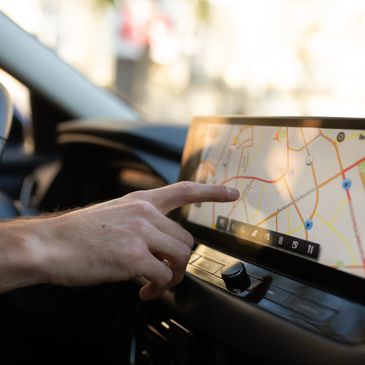
Modern vehicle failures are often difficult to resolve because responsibility is spread across hardware, software, connected services, dealerships, and manufacturers.
This case study documents a connected-vehicle issue involving unreliable GPS, emergency communication, app connectivity, repeated service visits, and unresolved technical escalation.
By collecting repair records, technical references, and field evidence, the project built a clear factual record to support regulatory review, warranty escalation, and accountability.

This engagement helped structure a metastasis-focused biotechnology platform around its scientific differentiation, AI-enabled analysis, high-throughput screening potential, and path toward commercialization. The work connected the underlying technology with market opportunity, competitive positioning, development milestones, partnerships, and future funding needs.
The project included pitch-deck development, market and competitive analysis, commercialization strategy, milestone planning, and investor-focused messaging—helping turn a technically complex concept into a more coherent startup narrative for investors, partners, and funding opportunities.

This engagement focused on translating an AI-powered sensor telemetry and data-mesh concept into a more structured business strategy. The work connected technical capabilities—including real-time telemetry ingestion, standardized data, AI-enabled analytics, and scalable data architecture—to customer problems across data centers, manufacturing, medical devices, and industrial IoT.
The project included market-gap analysis, product and value-proposition development, customer segmentation, pricing and deployment strategy, market research, competitive positioning, and a multi-year commercialization roadmap. The result was a clearer path from technical platform development to pilot customers, recurring software revenue, industry expansion, and longer-term data services.

Many job platforms focus on listing openings, but few provide meaningful insight into hiring demand, geographic opportunities, or candidate behavior. This project explored a location-based job discovery platform that aggregated openings from selected employers into an interactive map, making regional hiring trends easier to understand.
Beyond the platform itself, the concept expanded into workforce analytics by exploring how user interactions—such as searches, views, and application intent—could provide measurable insights into employer visibility, candidate interest, and labor market trends. The project progressed beyond an idea through product planning, interface design, and an early concept deck that demonstrated both the user experience and long-term analytics vision.